Stairlift buyback is a service where a mobility dealer evaluates your used stairlift, makes a cash or credit offer, and removes it from your home, often at no charge. Most buyback programs focus on straight stairlifts from well-known brands that are in good working condition.
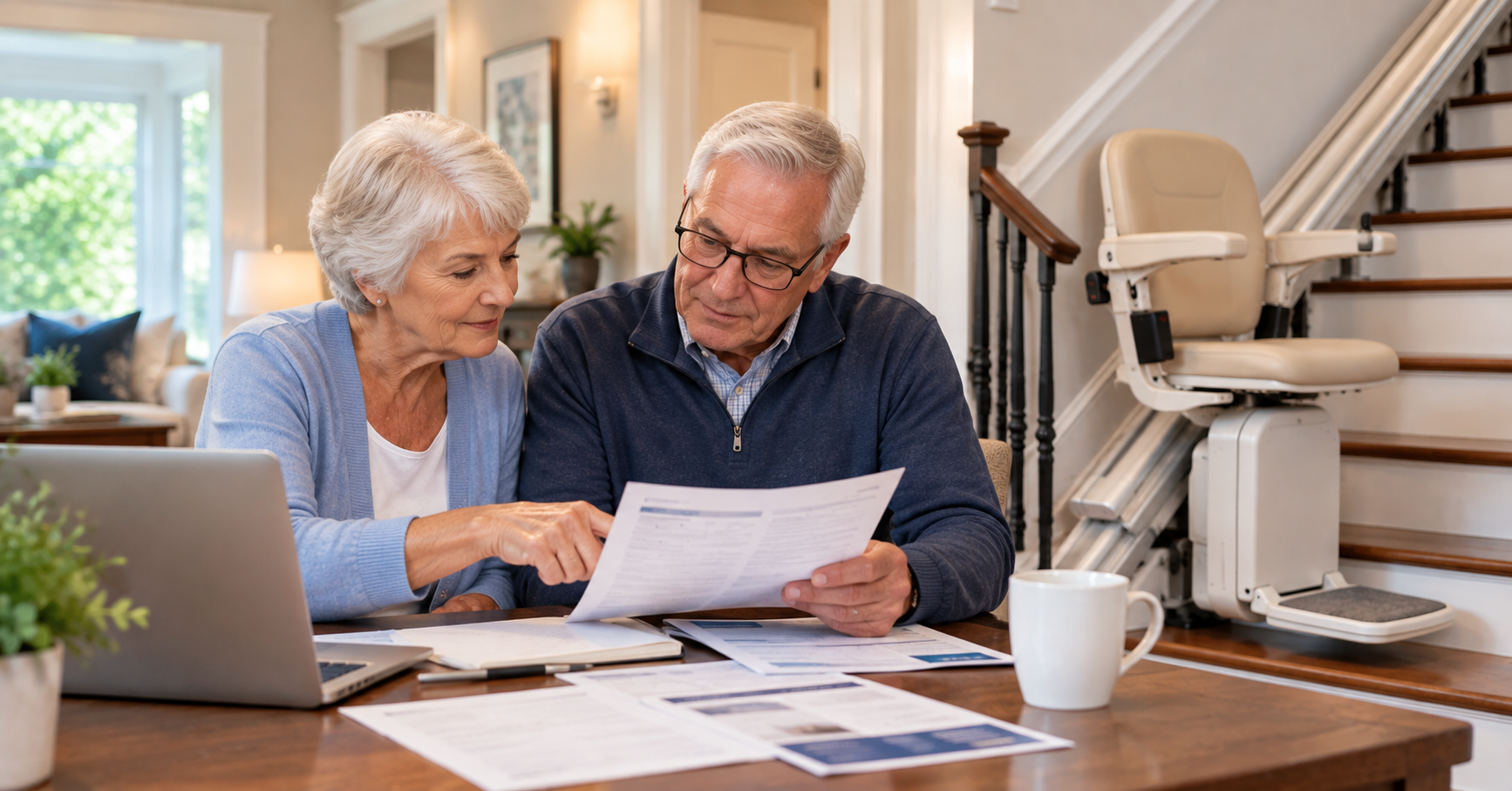
Families usually look into buyback at a turning point. A parent has moved into assisted living. The house is going on the market. A loved one has passed away, and the lift that once gave them independence now sits unused on the staircase. Whatever the reason, selling it back can recover some value and clear the stairs in a single visit. This guide covers which lifts qualify, how the process works, what drives your offer, and other options if buyback isn’t the right fit.
Which Stairlifts Qualify for Buyback
Straight stairlifts from major manufacturers are the easiest to sell back. Dealers can recondition them, cut the rail to fit a new staircase, and resell them to another family. Most buyback programs look for:
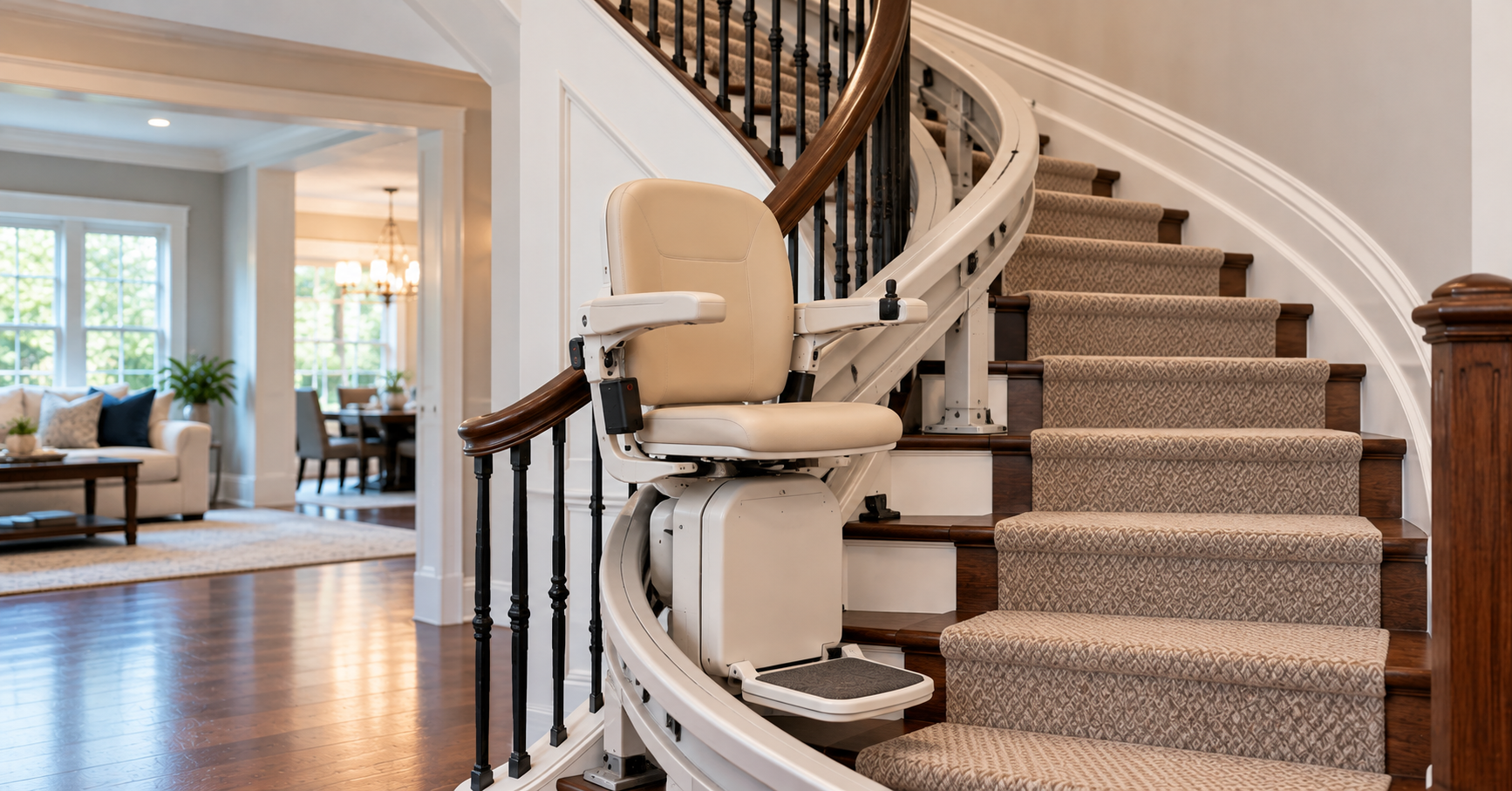
- A straight rail. Curved rails are custom-built for one specific staircase and rarely fit another home, so they usually have little resale value.
- A recognized brand. Widely sold brands such as Bruno, Acorn, Stannah, and Handicare are easier to resell because parts and service are readily available.
- Reasonable age. Many dealers prefer units less than roughly 10 years old, since older models may lack current parts support.
- Working condition. The lift should run smoothly, charge properly, and have no major damage to the seat, motor, or rail.
Outdoor stairlifts and heavy-duty models can qualify too, though fewer dealers buy them. If your lift doesn’t meet these standards, a dealer may still offer free removal in exchange for the unit.
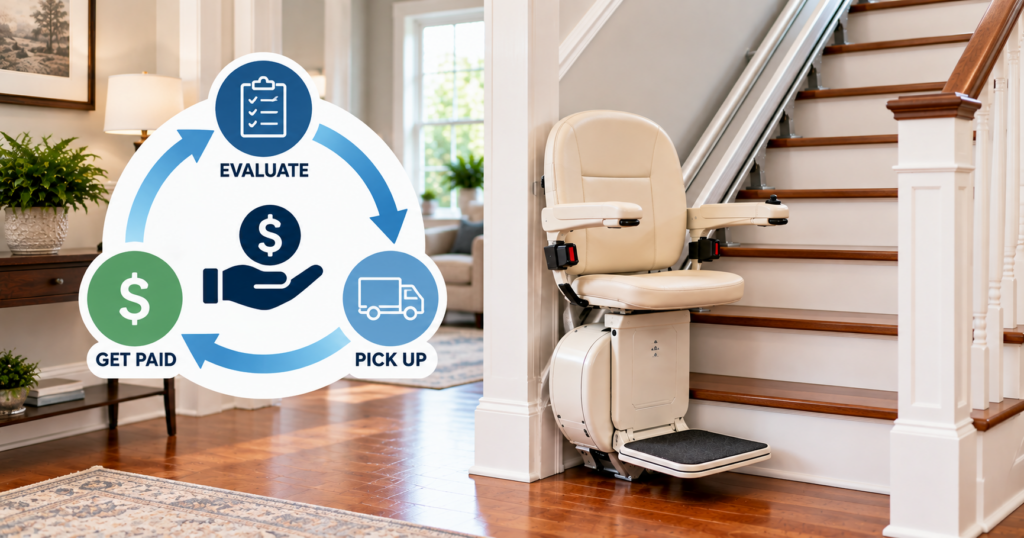
The Stairlift Buyback Process, Step by Step
Most buybacks wrap up within a week or two of the first call. The steps are straightforward.
- Gather the details. Find the brand, model, and serial number, usually on a label under the seat or on the motor housing. Note the approximate purchase year.
- Send photos. Dealers typically want pictures of the full rail, the seat, the footrest, and the serial label.
- Get a quote. Based on the photos and details, the dealer gives a preliminary offer, sometimes the same day.
- Schedule removal. A technician visits, confirms the condition, and unbolts the rail from the stair treads. Removal usually takes an hour or two.
- Get paid. Payment arrives by check or electronic transfer, or as a credit toward another mobility product.
Don’t try to remove the lift yourself. The rail is heavy, the battery needs careful handling, and damage during removal can lower or cancel the offer.
What Affects Your Buyback Offer
Buyback offers are usually a modest fraction of the original purchase price. That’s because the dealer covers removal, reconditioning, new parts, a fresh warranty, and reinstallation before the lift can be sold again.
Several factors push the number up or down. Age matters most: a three-year-old lift is worth far more than a twelve-year-old one. Rail length matters too, since a longer rail can be cut to fit more staircases. Cosmetic wear on the upholstery is a minor issue, but a faulty motor or failing control board can drop the offer sharply. You can improve your offer with a few simple steps:
- Keep all accessories, including both call remotes, the keys, chargers, and the owner’s manual.
- Share service records that show regular maintenance.
- Charge the batteries before the technician arrives so the lift can be tested.
- Ask about trade-in credit, which is sometimes higher than a cash offer if you need other equipment.
Alternatives to Stairlift Buyback
Buyback is the fastest, simplest option, but it isn’t the only one. Depending on your priorities, one of these may suit you better.
Private sale. Listing the lift online can bring a higher price, but the buyer still needs a professional to remove and reinstall it. Many buyers hesitate because a used lift cut for your stairs may not fit theirs.
Consignment. Some mobility dealers will sell the lift on your behalf and split the proceeds. You may earn more than a buyback offer, though you’ll wait longer to get paid.
Donation. Charities, loan closets, and organizations that help seniors or people with disabilities sometimes accept working stairlifts. A donation may qualify for a tax deduction, so keep a receipt and check the rules with a tax professional.
Leave it with the house. If you’re selling your home, a working stairlift can appeal to buyers who are planning to age in place.
Get a Free Stairlift Buyback Quote Today
A stairlift that’s no longer needed can still help another family, and it can put some money back in your pocket. Buyback turns an unused lift into a quick sale with professional removal and no hassle.
Start with a free quote. Send the brand, model, serial number, and a few photos, and a mobility specialist will review your lift and give you an offer. If you accept, a technician will schedule removal at a time that works for you, whether you’re preparing a home for sale or simply clearing the stairs. Call today or submit your stairlift details online for a fast, no-obligation buyback quote.